The Remote Gig Nobody Talks About vs. The Ones Everyone Ignores: A Straight-Up Comparison
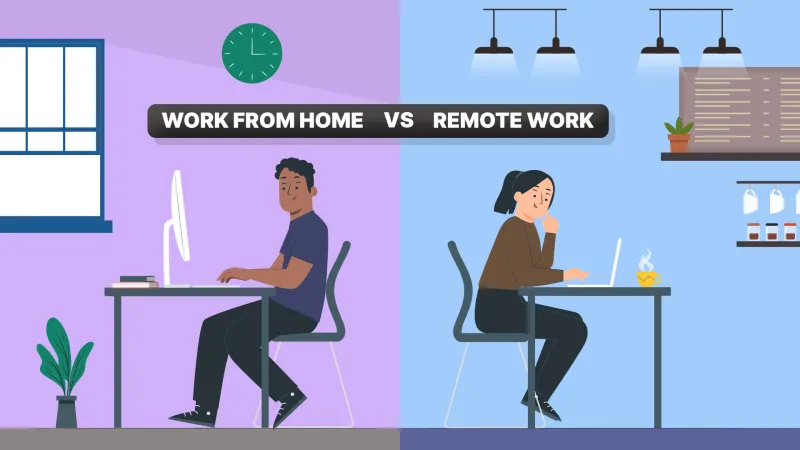
Photo: person comparing options on laptop remote work from home side hustle, via d2m91frql5cfpo.cloudfront.net
If you've ever gone down the rabbit hole of "ways to earn money from home," you know the landscape is messier than any listicle makes it sound. There's CAPTCHA solving, sure. But there's also data labeling, content moderation, micro-freelancing, and a handful of other low-barrier remote gigs that rarely get a fair, honest look side by side.
We're going to fix that. No affiliate-driven rankings, no "best side hustle" fluff. Just a straight comparison of what these gigs actually look like in practice — what they pay, what they cost you in time and mental energy, and who they're realistically a good fit for.
The Contenders
For this comparison, we're looking at four categories of remote micro-work that require little to no specialized experience to start:
- CAPTCHA solving — completing image, audio, or text-based verification tasks through platforms like Captcha2Cash
- Data labeling — tagging images, audio clips, or text to train AI and machine learning models
- Content moderation — reviewing user-generated content for policy violations on behalf of platforms
- Micro-freelancing — completing tiny, well-defined tasks on platforms like Amazon Mechanical Turk or Clickworker
Let's get into it.
Earning Potential: What's the Actual Ceiling?
CAPTCHA solving tends to land in the $1–$15 per hour range depending on the platform, task type, and how efficiently you work. Top earners who've optimized their workflow and platform selection can push toward the higher end, but $3–$8/hour is a realistic average for most people starting out. Volume and speed are everything here.
Data labeling pays more per task in many cases, with rates ranging from $8–$20/hour on established platforms like Scale AI or Appen. The catch: onboarding can take days or weeks, and you often need to pass qualification tests before accessing higher-paying projects. It's more like a part-time job with a hiring process.
Content moderation is where earning potential and personal cost start to diverge sharply. Entry-level moderation work (often through contractors for major social platforms) can pay $12–$18/hour — better than most micro-tasks. But the work involves reviewing genuinely disturbing content on a regular basis. Many workers report significant psychological strain, and burnout rates are high. The pay is better; the toll is real.
Micro-freelancing on platforms like Mechanical Turk is notoriously variable. Some tasks pay pennies for minutes of work; others pay a few dollars for something that takes 20 minutes. Experienced "Turkers" who've learned to filter for well-paying HITs (Human Intelligence Tasks) report clearing $10–$15/hour. Newcomers often make far less while they learn the ropes.
Time Investment: Getting Started vs. Staying In
| Gig | Time to First Dollar | Ongoing Time Commitment |
|---|---|---|
| CAPTCHA Solving | Under 30 minutes | Flexible, session-based |
| Data Labeling | Days to weeks | Project-based, can be irregular |
| Content Moderation | Weeks (hiring process) | Often requires set hours |
| Micro-Freelancing | 1–3 hours to set up | Flexible, but learning curve |
CAPTCHA solving wins on accessibility. You can genuinely be earning within the hour of deciding to try it. That low friction matters if you're looking to fill gaps in your schedule rather than commit to a structured second job.
Data labeling and content moderation, by contrast, look more like traditional employment. There's an application, a qualification process, sometimes a training period. That structure suits some people — but it eliminates the "work when I feel like it" flexibility that draws many people to micro-task platforms in the first place.
Stress Levels: What Does the Work Actually Feel Like?
This is the dimension that gets glossed over most often, and it matters.
CAPTCHA solving is low-stakes and cognitively light. You're not making judgment calls, you're not exposed to harmful content, and there's no performance review hanging over you. It can be monotonous, but for many people, monotonous is fine — especially if you're doing it while watching TV or listening to a podcast.
Data labeling sits in the middle. Most projects are benign (labeling traffic signs, transcribing audio), but some involve sensitive content depending on the client. The work requires sustained attention and accuracy, which can be tiring over long sessions.
Content moderation is, by nearly all accounts, the most stressful option on this list. The psychological impact of regularly viewing graphic violence, hate speech, or exploitation-related content is well-documented. If you're considering this path purely for the pay bump, factor in what you're actually signing up for.
Micro-freelancing varies wildly by task. Writing tasks require more cognitive effort; transcription or categorization tasks are lighter. The stress tends to come from inconsistent pay and the time spent hunting for decent-paying work rather than the work itself.
Long-Term Sustainability: Can You Build Something Here?
CAPTCHA solving is best understood as a supplemental income stream rather than a career path. The earning ceiling is real, and there's no skill progression that dramatically changes your earning trajectory. That said, for people who need flexible, no-commitment extra income, it can be reliably useful for years.
Data labeling has the most legitimate long-term potential. As AI development continues to accelerate, demand for human-labeled training data isn't going anywhere. Workers who build a track record on reputable platforms can access higher-paying, more consistent projects over time. There's actual career adjacency here — some data labelers transition into QA roles or AI evaluation positions.
Content moderation has a high exit rate. Many workers don't last more than a year before burnout or deliberate career change. It's sustainable for some people, but statistically, it's not a long-term play for most.
Micro-freelancing is sustainable in the way that CAPTCHA solving is — as a side income that you can maintain indefinitely, but not something that grows meaningfully over time unless you're transitioning into more skilled freelance work.
So Which One Is Actually Right for You?
Here's the honest answer: it depends on what you're optimizing for.
- If you want maximum flexibility with zero commitment, CAPTCHA solving is hard to beat. Log on, earn, log off. No applications, no schedules, no content you'll lose sleep over.
- If you're willing to invest a few weeks upfront for better hourly rates, data labeling is worth exploring — especially if you have an eye for detail.
- If the pay difference is compelling and you have a high tolerance for difficult content, content moderation pays better than most options here. Go in clear-eyed about what that means.
- If you enjoy variety and don't mind spending time finding good tasks, micro-freelancing on platforms like Mechanical Turk can be rewarding once you know how to filter effectively.
The micro-task economy isn't one-size-fits-all. The best move is understanding what each path actually demands — not just what it pays — and making a choice that fits your life, your schedule, and your limits.